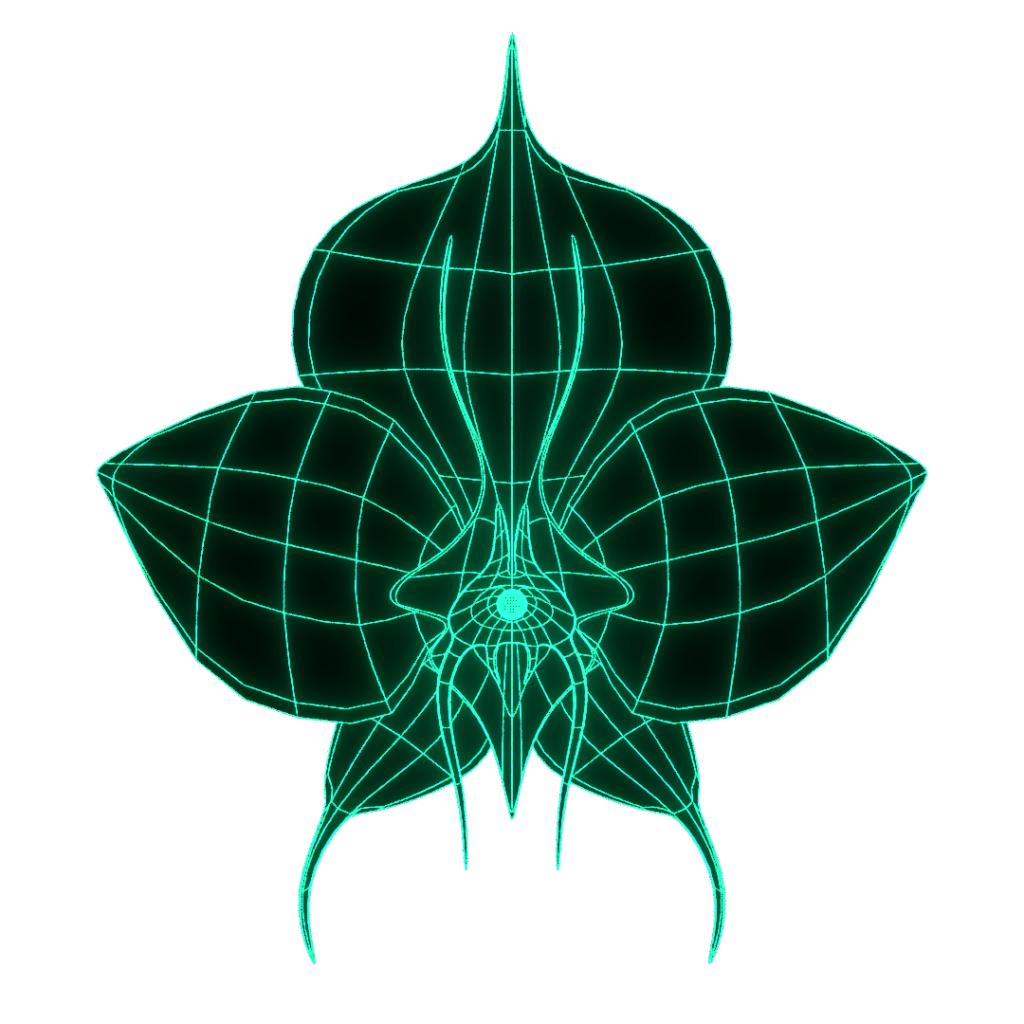
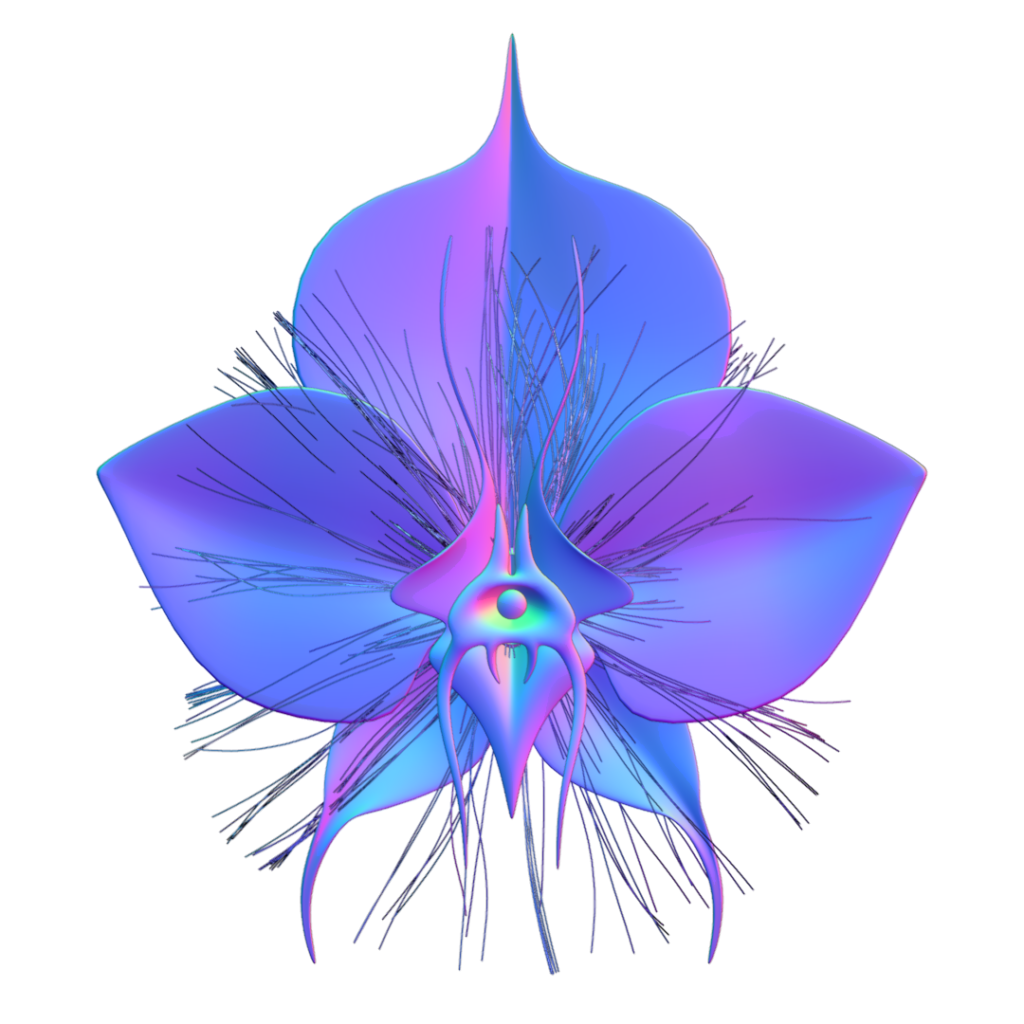
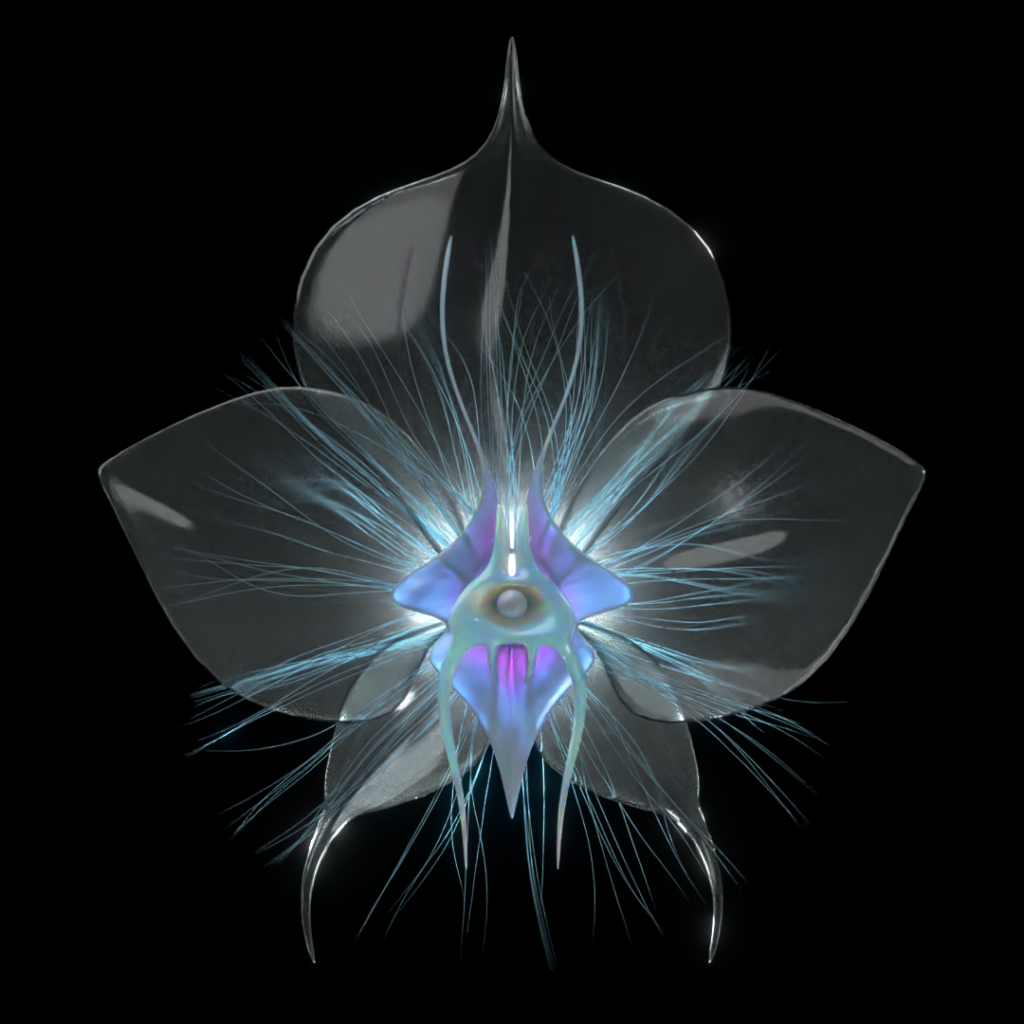
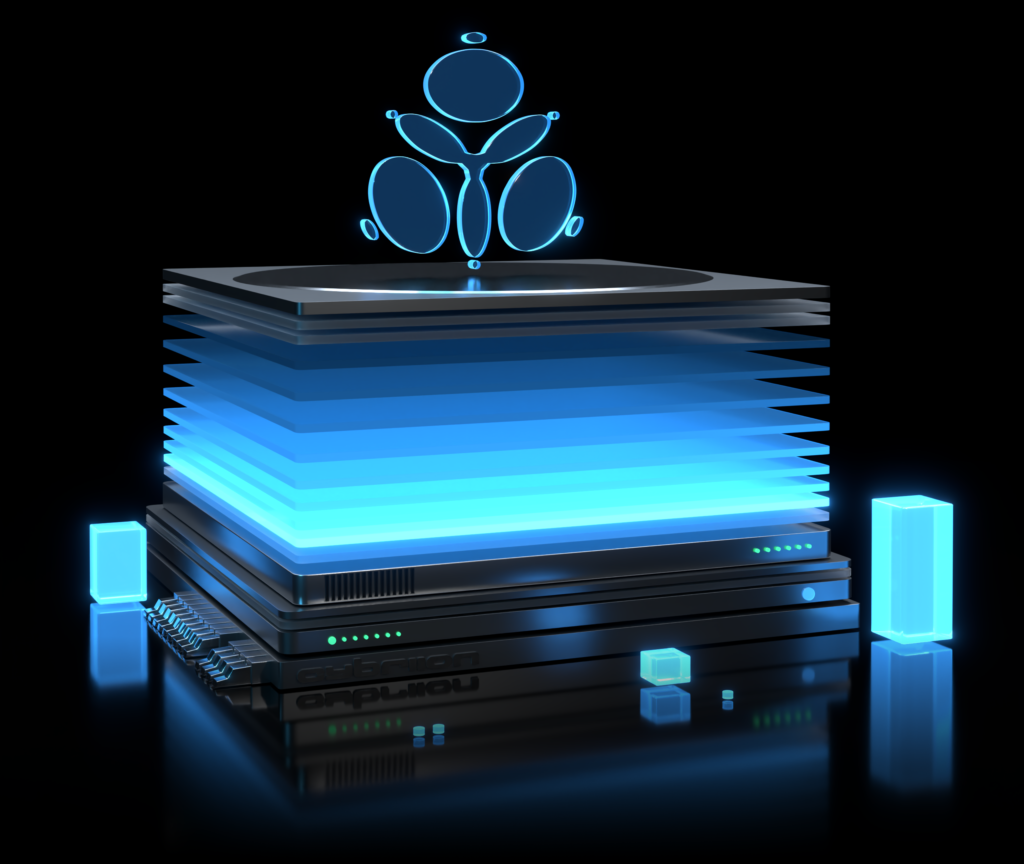
Visual designs incorporating various 3D rendering and animation elements.
3D Art
Visual designs incorporating various 3D rendering and animation elements.
Defining the Future
Visual design plays a vital role in shaping and developing the world around us. Through it’s influence in science, technology, education, and medical research, design is the key to defining how we perceive and experience the future of our wold.
Modern design technologies have created a platform for limitless exploration and visual experimentation.
The access to powerful digital tools like 3D rendering software has vastly accelerated the rate of design evolution, providing the potential for fully immersive digital experiences and new ways to engage with information.
3D Design: Process Flow
Much like other design practices, 3D visualisation begins with a concept design, which then passes through various stages of development to produce a fully realised 3D model, which can be flexibly applied to a number of use cases, including digital animation and image rendering.
Visualizing complexity
In the modern world, we are surrounded by a digital landscape, a cyber space where many products do not have a physical form.
Visual design is the key to representing these products and experiences, turning complexity into something tangible and relatable.
Visual Design
Vector based illustrations designed for implementation across various design projects and other brand collateral. These graphics help to establish brand identity through minimalism and subtlety.
Custom icon library development
A custom icon library curated to reflect individual brand identity ensures a consistent presence across all collateral.
When used effectively, these simple vector illustrations create a seamless alignment throughout documentation, websites, posters, infographics, animations, and other artefacts.
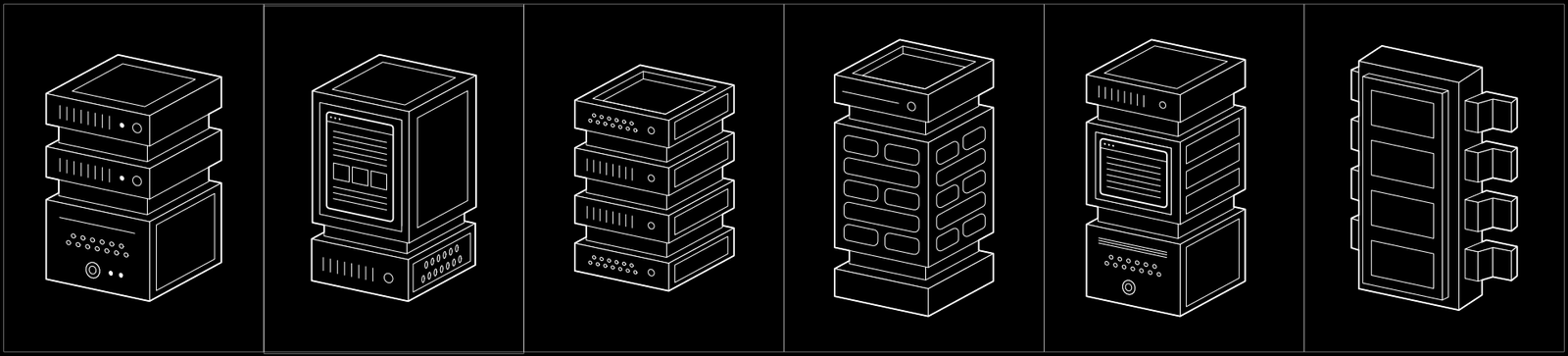
Isometric Vector Illustration
Designed as an extension of the icon library, these illustrations contain more detail than most icons, and can be used in architectural flows and infographics to highlight components and important elements.
Design Research
Experimental visual designs created using a combination of 2D & 3D design practices.
These artefacts utilise a more fluid & abstact approach to design principles, allowing for artwork that bends the limitations of traditional design.
To explore more design research artefacts, visit the @cybriion Instagram page linked below.